Loading…
Trombone sheet music
People remember the smear, and a pair of slide-position numbers will not preserve it. Trombone sheet music turns that gliss into a line of notes between the pitches you hear. Positions are not included.
Put the smear next to Trombone sheet music
A slow gliss is easy to mis-hear as two lonely pitches. Playback shows whether the written line actually fills the gap.
0:00 / 0:59
Chargement de la partition…
The slide, spelled as pitches
The line you slide, caught in Trombone sheet music
Ballad melodies and tailgate figures are rhythm and pitch. The staff does not print position numbers beside them.
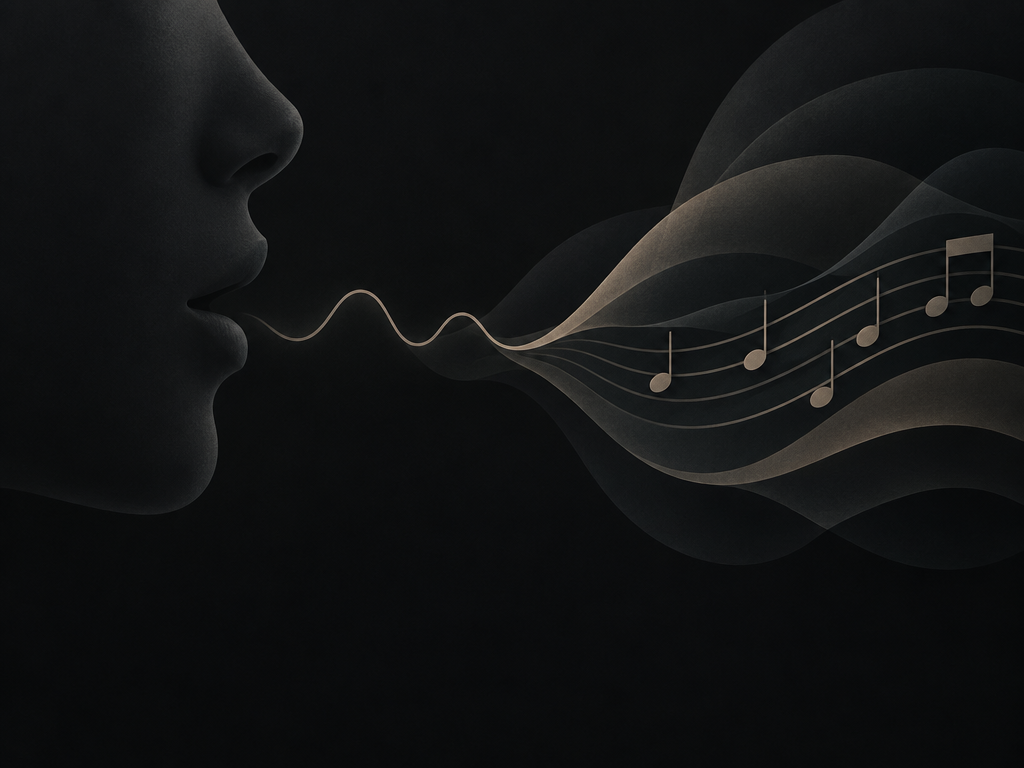
A gliss becomes a path of notes
Where the horn moves between two pitches, you get notes along that path. You still choose the slide positions that produce them on your instrument.
Jazz heads and orchestral bones
A small-group feature and a louder orchestral line can both live here when trombone is the instrument in front. The page follows that range.
Skip position numbers and read Trombone sheet music
Start from a take where the slide is easy to follow, then read the smear as music.
01
Start with a clear slide
A solo, a ballad feature, or a section bone that you can actually hear. The browser takes an upload of up to 10 minutes.
02
Keep the bone as the part
Arriving from this page leaves trombone selected. Add trumpet in the tool, or use Auto, when a second brass line should share the page.
03
Follow the gliss
Compare a smear with playback. Take the staff out as MusicXML or as MIDI. You will not find slide positions in the file.
Smears that needed pitches, not digits
“I could practice the tailgate run because Trombone sheet music had the notes, and nobody had bolted a position map onto it.”
“The hymn gliss had started an argument in the band. The written line ended it, and we penciled our own positions afterward.”
“The overdub was one long smear into the downbeat. Seeing those notes saved the session from another ten loops.”
Foire aux questions
Are slide positions marked?
Does a fast rip become a full chromatic scale?
Can the rest of the brass join the page?
Is this a valve-trombone fingering chart?
Brass that does not slide
Trumpet carries the fanfare lead. French horn carries the inner call. Tuba carries the blown bass under the choir.
Cuivres · Musique en partition
Outils associés
Continuez — ces outils vont bien avec ce que vous venez de lire.
Trombone sheet music from the smear you keep rewinding
Upload the recording and read the line. Bring your own position habits to the practice room.
Transcribe the trombone